
We include products we think are useful for our readers. If you purchase through links on this page, we may earn a commission. Learn more
Huberman discusses Ashwagandha as a valuable adaptogenic herb known for its potent effects on stress management, primarily by lowering both anxiety and cortisol levels.
This action can help mitigate some of the long-term negative impacts of elevated stress hormones.
Mechanism and Effects
Huberman explains that Ashwagandha's primary mechanism is as a very potent suppressor of cortisol.
He notes there's evidence suggesting it might indirectly increase testosterone. This potential increase likely stems from the cortisol suppression, as the two hormones share the same synthesis pathway and often function like a seesaw – when cortisol decreases, testosterone may rise.
HUBERMAN SPONSOR
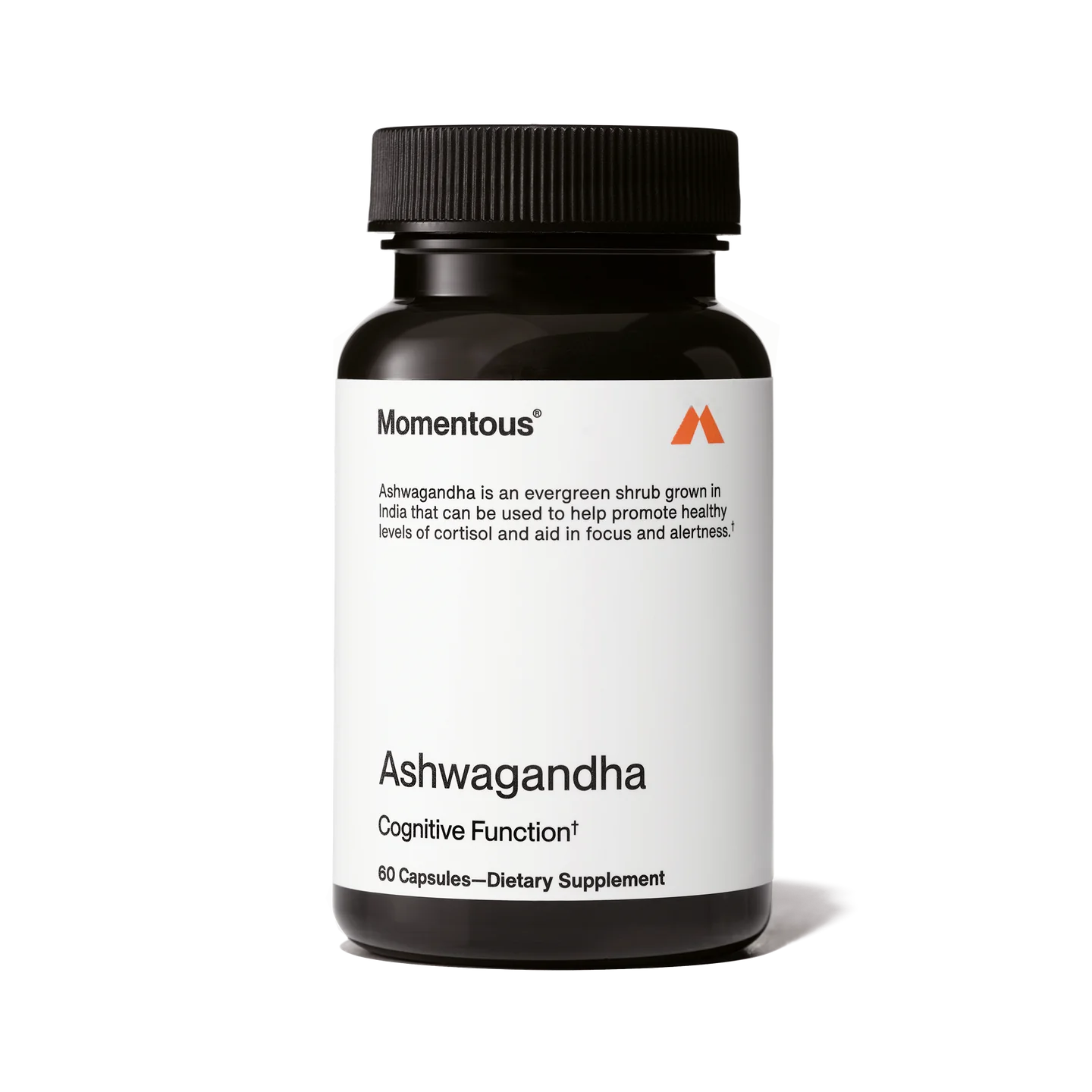
Momentous Ashwagandha
• Supports the body's ability to withstand stress
• Promotes cognitive performance, alertness, and focus
• Features NooGandha®, a specialized Ashwagandha extract
• Promotes relaxation without being sedative
Timing and Usage Strategy
Given its cortisol-lowering effects, Huberman emphasizes specific timing considerations for optimal use:
Take it Later in the Day: Since cortisol levels should naturally be higher in the morning to promote wakefulness and alertness, Huberman recommends taking Ashwagandha later in the day or evening, rather than early morning.
Avoid Before Exercise (in high doses): He specifically cautions against taking high amounts (around 400-600 milligrams) before exercise. A key goal of exercise is to trigger adaptation through a beneficial spike in cortisol. Taking a cortisol-suppressing supplement beforehand could interfere with this natural and necessary stress response.
Cycle or Use Targetedly: Huberman advises against continuous, long-term use, particularly at high doses (suggesting avoiding more than two weeks continuously). Instead, he recommends cycling the supplement. He personally adopts a targeted approach, using Ashwagandha only during periods when he feels his stress management capabilities are overwhelmed, rather than taking it as a year-round staple.
Wrapping Up
According to Huberman, Ashwagandha can be an effective tool for managing stress and cortisol, but its use should be thoughtful, considering the time of day, proximity to exercise, and employing strategies like cycling or targeted short-term use rather than constant intake.