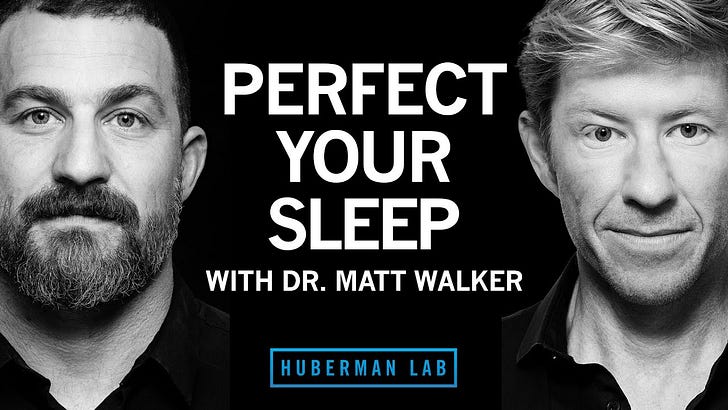
From the calming effects of Valerian root and apigenin to the potential sleep benefits of tart cherries and kiwi, the conversation around these unconventional sleep aids is stirring interest.
But how effective are they? In this post, we’ll sift through the research to understand whether these gifts from nature can truly help us unlock the secret to a good night’s rest.
Valerian, Kiwi, Tart Cherry, Apigenin
Valerian root is popular, sure, but does it really help with sleep? Turns out, the answer isn’t so clear-cut.
Digging into some solid research, we find mixed results. Five out of seven studies don’t give it a thumbs-up for sleep improvement. The other two? They just didn’t have enough data to make a call.
Now, tart cherries might be a different story. These little red wonders are making a name for themselves as sleep boosters.
Based on a few studies with tight controls, tart cherry juice looks promising. It might help you spend over an hour less tossing and turning at night. Plus, some folks might even snag up to 84 extra minutes of shut-eye. It also seems to cut down on napping, which can lead to better sleep overall.
Apigenin comes from chamomile, and if you’re a fan of that calming cup of tea, you’ll want to listen up.
Dr. Huberman has given it a personal nod for better sleep. But when it comes to solid scientific proof, we’re still in the waiting room.
And then there’s the kiwi. This fuzzy fruit is more than just a tangy treat. Kiwi, especially with its skin on, might be just the ticket for faster sleep onset and fewer wake-ups at night.
DR. HUBERMAN SPONSOR
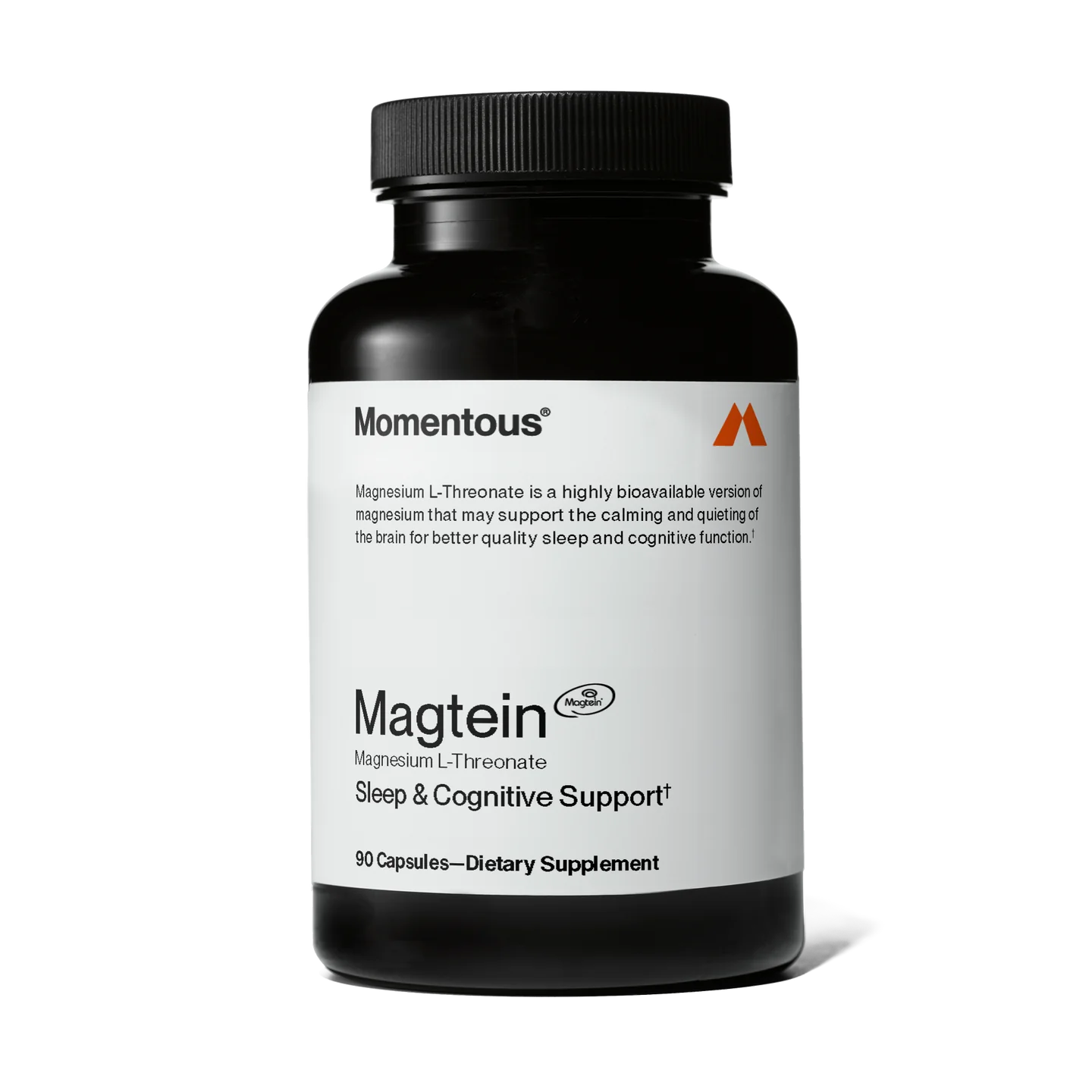
Magnesium L-Threonate
✓ Highly bioavailable form of magnesium
✓ 2g of Magtein® per serving
✓ 30 servings per container
✓ Supports cognitive function & sleep quality
Preliminary studies even suggest it might work its magic by interacting with GABA, a key neurotransmitter. But hold your horses—we need more research to confirm these early findings.
The whole discussion really spotlights just how intricate the world of sleep aids is. For some, natural remedies are a game-changer. For others, they’re met with a healthy dose of skepticism. Dr. Huberman reminds us, though, that we shouldn’t jump straight to pills and potions. A better starting point? Lifestyle tweaks and dietary adjustments for improving sleep.
Other Posts from this Episode
What is Sleep? Science of the Snooze with Dr. Walker
Uberman Sleep Schedule: Sleep Hack or Health Risk?
Caffeine and Sleep: Balancing Coffee and Sleep Cycles
Melatonin & Sleep Quality: Finding the Sweet-Sleep Spot
Sleep & Sex: Secrets to Better Sleep